Repairs That Move
HP, Dell, and Canon equipment gets careful fault finding and direct recommendations.
- Printer error diagnosis
- Computer hardware repair
- Canon scanner service
Printers, computers, and scanners selected for busy offices, with repair help when work cannot wait.
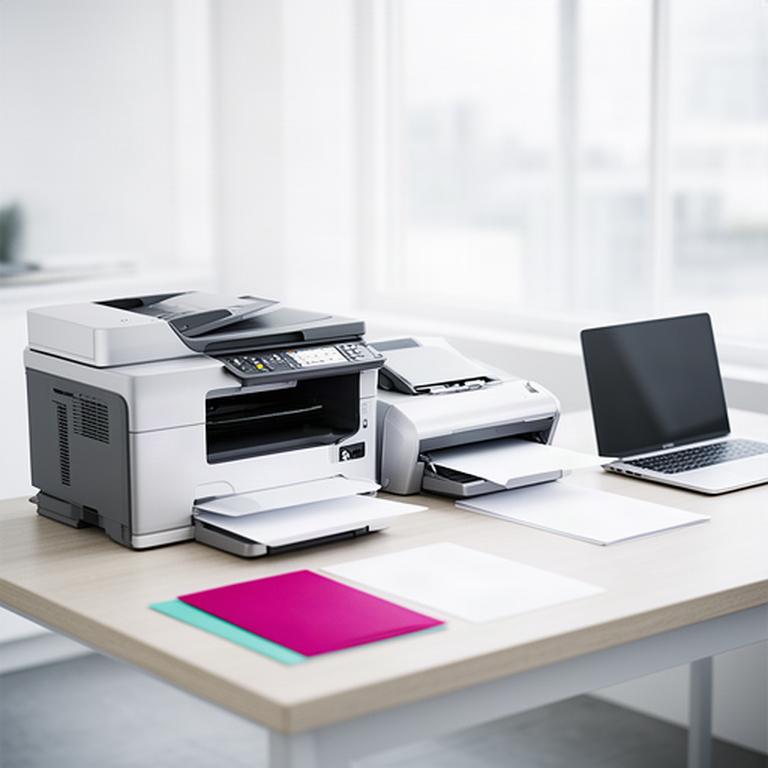
A compact laser setup handles everyday invoices, forms, and client packets without crowding your office.
Keep essential equipment working with clear help from a nearby service team.
HP, Dell, and Canon equipment gets careful fault finding and direct recommendations.
Prevent repeat failures with scheduled checks for the devices your staff uses daily.
Choose a visit at your Temescal Valley office or get guided support by phone.
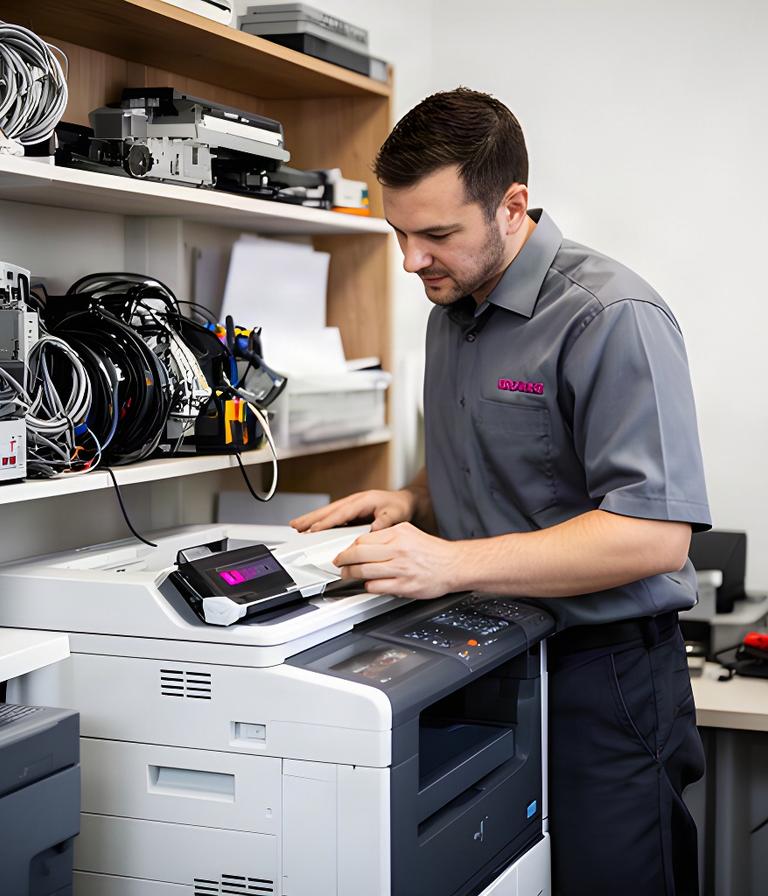
Dell Support helps Temescal Valley businesses buy equipment with fewer surprises. We ask how your team prints, scans, stores files, and handles busy periods before recommending a device. When something breaks, you get a clear diagnosis, a realistic timeframe, and a repair path you can approve. Our work covers printers, computers, and scanners, so your staff has one place to call for everyday equipment issues. Small details matter here. We label the problem and explain the fix.
"Our front desk printer failed before a busy appointment day. Dell Support found the issue, explained the repair, and had us printing again that afternoon."
Start with focused help or set a regular service rhythm for your office.
For a single fault, urgent repair, or equipment decision.
Pay per service request
For teams that need devices checked before small faults become downtime.
Monthly service scheduling
For growing offices with several devices and a need for one accountable contact.
Configured for your workplace
Dell Support provides guidance and technical resources for many types of Dell hardware, including laptops, desktop computers, displays, workstations, and accessories. Depending on the specific product, users can find information covering initial setup, system configuration, drivers, firmware, software, updates, diagnostics, and solutions for frequently encountered problems.
Identifying the exact Dell product is usually the first step toward finding relevant assistance. Once the model has been established, users can select documentation and technical resources designed for that particular device and operating system. Available materials may include manuals, diagnostic tools, driver packages, firmware files, and software recommendations.
Support documentation can cover a wide range of Dell products, from everyday notebooks and desktop PCs to business workstations, monitors, docking equipment, and other peripherals. Because hardware specifications vary between models, the available support material may also differ. Choosing resources that match the exact equipment can help prevent compatibility problems.
It can be helpful to identify the product model, operating system, visible symptoms, and any error messages before beginning troubleshooting. If the problem concerns connectivity, users may also need to consider whether the device is connected through Wi-Fi, Ethernet, USB, Bluetooth, or another interface. Having these details available can make it easier to determine which diagnostic steps are relevant.
Many support procedures are presented as practical sequences that can be followed without extensive technical experience. Depending on the problem, instructions may address computer setup, network connections, system updates, driver installation, peripheral configuration, or performance concerns. Following only the steps related to the identified issue can help users avoid unnecessary changes to the system.
Drivers provide the communication layer between the operating system and individual hardware components. When a driver is outdated, damaged, or incompatible with the current system, certain features may behave unexpectedly or stop functioning correctly. For this reason, users should check that any driver they install is intended for their particular Dell model and operating system.
Users can begin by examining the physical or wireless connection involved and confirming that the correct interface is being used. It is also worth checking whether the necessary drivers and software are installed and whether the intended device has been selected in the system. Reconnecting the equipment, restarting the relevant hardware, and reviewing network or device settings may reveal a straightforward configuration issue.
A Dell laptop or desktop can become slower for several different reasons. Limited available storage, resource-intensive applications, background processes, outdated software, system configuration, or hardware limitations can all contribute to reduced responsiveness. Observing when the slowdown occurs and using appropriate diagnostic guidance can help narrow down the possible cause.
Before starting an update, users should confirm the exact Dell model and the operating system currently installed. The selected package should be specifically intended for that configuration to reduce the possibility of compatibility issues. Firmware installations in particular should be allowed to complete as instructed, without deliberately powering off or interrupting the device during the process.
Having the device model, a clear explanation of the symptoms, displayed error messages, and a record of troubleshooting steps already attempted can provide useful context for support staff. Information about when the problem started or whether it affects a particular feature may also be relevant. Private passwords, authentication codes, and other sensitive security credentials should remain confidential.
Tell us what is slowing your office down. We will recommend a practical next move.